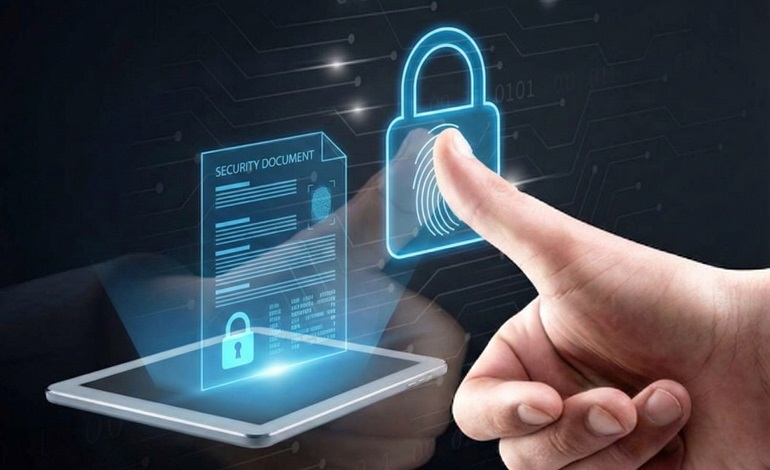
In today’s digital era, almost every aspect of business and administration involves electronic documents. Ranging from contracts and financial reports to official letters, everything is now frequently sent, received, and stored in a digital format. However, along with the increasing use of electronic documents, a major challenge arises: how to ensure these documents are valid, have not been manipulated, and come from trusted parties. This is where document authentication plays an important role. This process ensures that every document received or shared is secure and has accountable validity.
Understanding Document Authentication
Simply put, document authentication is a method or process to verify the authenticity of digital documents. Its purpose is to ensure that the file truly originates from a legitimate sender and has not undergone any changes since it was created. Without this mechanism, electronic documents are highly vulnerable to forgery, data alteration, and misuse, which can result in legal and financial losses.
Why Document Authenticity is Very Important
Document security and authenticity become crucial factors, especially for companies conducting online transactions, signing contracts, or storing important data digitally. By ensuring the validity of documents, the risk of fraud can be minimized. In addition, trust between parties also increases because every received document can be accounted for. The use of document authentication helps maintain information integrity, both for the company’s internal needs and for external parties.
Various Document Verification Methods
There are several methods commonly used to verify electronic documents, including:
- Digital signatures: Using cryptographic algorithms to guarantee that the document comes from a legitimate party.
- Electronic certificates: Providing official proof that the document has been verified and is valid.
- Hash codes or checksums: Ensuring that the document does not undergo changes since it was issued.
These methods can be used simultaneously so that document security is more guaranteed.
Benefits of Electronic Signatures

One important element in maintaining document authenticity is the use of electronic signatures. With this signature, users can sign documents digitally without needing to print physical documents. Some of the main benefits of using electronic signatures are:
- Reducing costs and time in administrative processes.
- Guaranteeing documents cannot be altered after being signed.
- Providing more trust for the party receiving the document.
Moreover, the application of electronic signatures also facilitates digital document archiving, thereby increasing work efficiency.
The Role of Digital Signatures
Besides electronic signatures, digital signatures also play a significant role in maintaining document security. Digital signatures use complex cryptographic systems so that every signed document has a unique identity that can be verified. Document recipients can easily ensure that the document is valid and has not been modified since it was signed. Thus, the verification process becomes more accurate and secure.
Implementation of Document Authentication in the Business World
In business practices, the application of digital document verification is very broad, including:
- Online business contract signing.
- Validation of financial documents that must be legally stored.
- Approval of official letters or permits requiring proof of legality.
The application of this method helps companies minimize the risk of disputes and increase operational efficiency because documents can be verified quickly and securely.
Tips to Ensure Documents Remain Secure
To keep digital documents protected and verifiable, the following steps can be applied:
- Use a trusted platform like ezSign to create and verify documents.
- Always check the electronic certificates accompanying the document.
- Avoid sharing documents through unsecured channels.
- Store document copies in a protected storage system.
These steps are important to maintain security and increase trust in every digital transaction.
Increasing Trust Through Document Authentication
By ensuring every document goes through a proper document authentication process, companies and individuals can be confident that the files they receive or send are valid and accountable. This not only reduces the risk of fraud and misuse but also enhances professionalism and business credibility in the eyes of clients and working partners.
Contact us now to get a more complete understanding of how digital document verification can protect your business and ensure every electronic document remains secure and legally usable.